
Quick Summary
This blog provides a practical ERP ROI template for packaging companies. You will learn how to calculate total costs, measure benefits from waste reduction and labor savings, and build a strong business case. Use these steps to get approval for your FlexERP investment.
Table Of Contents
Introduction
If you have been looking to upgrade your packaging operations, you already know that modern software does not come cheap. Getting approval for a new system means you need real numbers, not just promises. This blog post breaks down a practical FlexERP ROI template that connects directly to your daily challenges, like material waste, machine delays, and order errors. Instead of vague benefits, you will get a clear method to calculate savings and build a strong FlexERP business case.
Key Takeaways
Calculate total cost of ownership before starting your ERP project.
Measure waste reduction, labor savings, and inventory gains in dollars.
Use a phased implementation to reduce risk and improve results.
Include packaging-specific metrics like scrap rates and scheduling gains.
Present realistic numbers to get faster approval from decision-makers.
Understanding Challenges in the Packaging Industry and the Role of Specialized ERP
Let us see some of the common problems packaging companies face every day.
Common Industry Problems
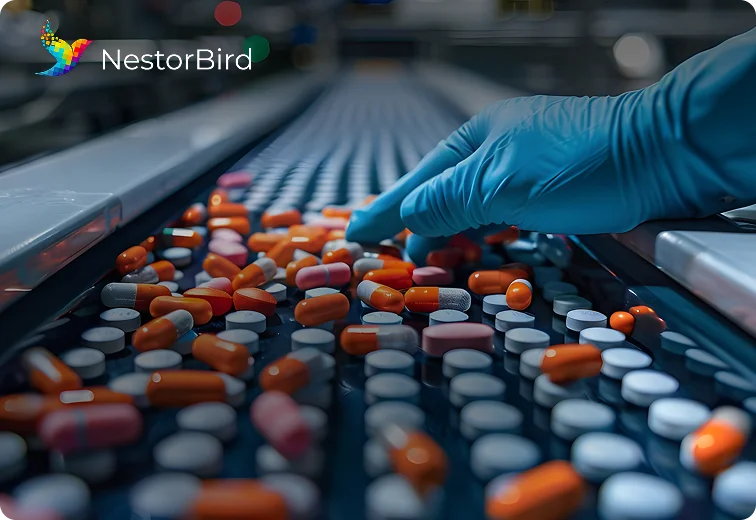
Material waste is a big problem. Offcuts, misprints, and setup errors eat into profits quickly. Every rejected batch means lost money and time.
Costing is very difficult. For flexible and rigid packaging, it is hard to track the exact material and labor costs per order. This leads to wrong pricing and lower margins.
Supply chain delays are frequent. Raw material prices change fast, and delivery times are uncertain. This makes planning production very tricky.
Regulatory rules keep increasing. You need to track recyclability and report on material usage. Failing to comply can lead to fines.
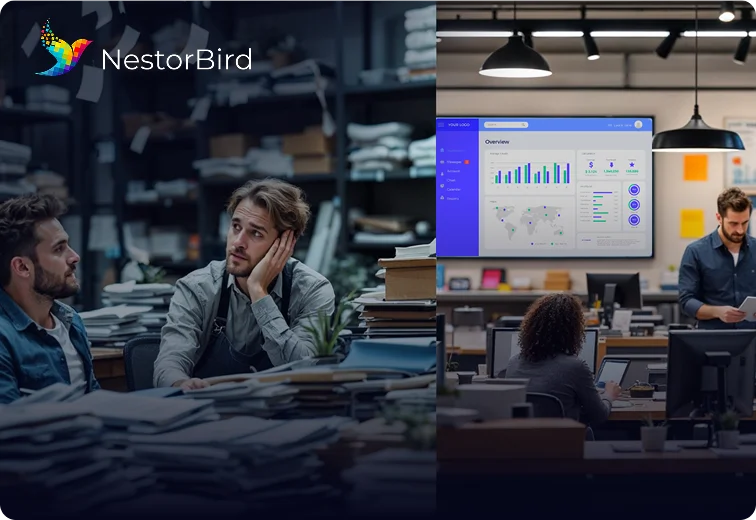
Manual processes slow down everything. Spreadsheets and paper records cause mistakes and waste staff time.
How Specialized Software Helps
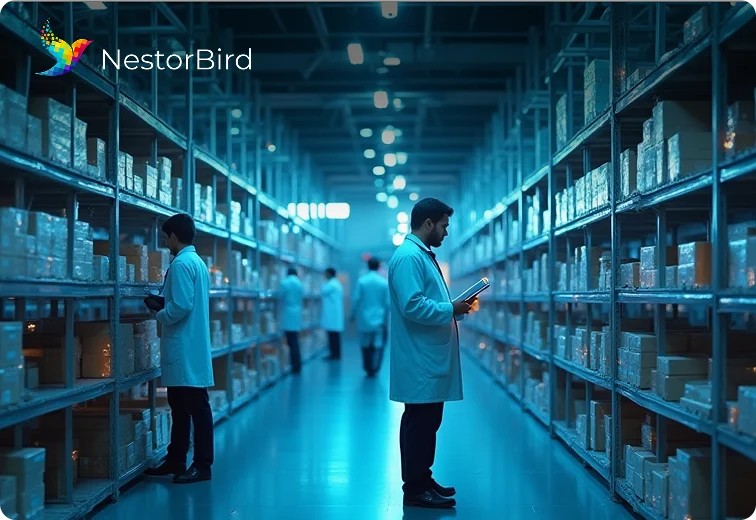
Packaging industry ERP systems solve these issues directly. They track every material from receipt to finished goods. This gives you real-time visibility into stock levels and production status.
Manufacturing ERP software connects planning, production, and shipping in one place. This brings operational efficiency with ERP across all departments. You can see exactly where waste happens and fix it quickly. Learn how FlexERP ROI for Packaging Companies takes shape across your operations.
Why Generic ERPs Are Not Enough
Generic software lacks features for different packaging formats. It cannot handle the unique needs of flexible films or rigid containers well.
Purpose-built solutions offer clear ERP benefits for manufacturers. These include accurate costing, waste reduction, and faster order processing. The right ERP for packaging companies fits your workflows without forcing you to change how you work.
These are the Best ERP for Manufacturing Industry in India.
Key Components of a Strong FlexERP Business Case
The main and important step is building a solid business case.
What to Include in Your Business Case
Alignment with business goals - Your case must show how the system helps meet company targets. This includes growth plans, cost reduction goals, and customer service improvements.
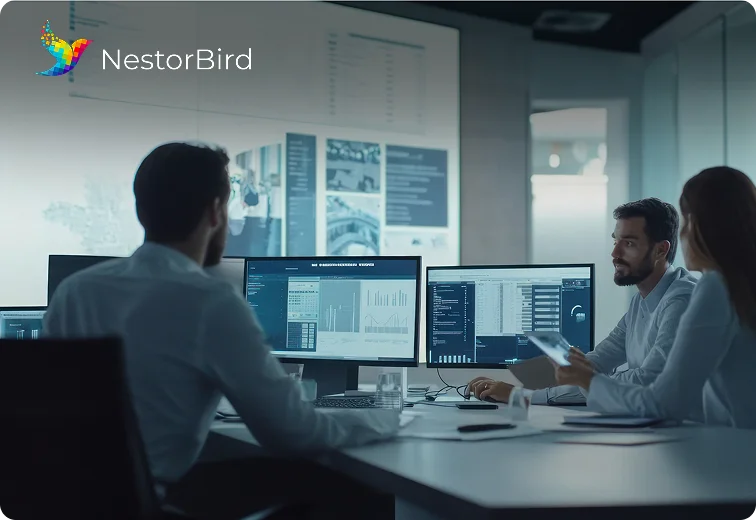
Stakeholder buy-in - Get support from production, finance, and IT teams early. Each department must see how the system helps their work.
Risk assessment - List potential problems like data migration issues or staff training needs. Plan how to handle each risk.
Projected timelines - Give clear dates for each phase. Include setup, testing, go-live, and stabilization periods.
Steps to Build Your Case
First, assess your current state. Document all pain points like machine downtime, order errors, and inventory problems.
Second, define what you want to achieve. This could be reduced waste, better traceability, or faster quoting.
Third, quantify the benefits. Include improved decision-making, which is hard to measure but very valuable. This becomes part of your ERP return on investment analysis.
Focus on packaging-specific metrics. Track roll and reel usage, multi-layer BOMs, and waste reduction numbers. These matter most in your industry. Better Production planning and scheduling makes these gains easier to measure.
The FlexERP ROI Template: Step-by-Step Guide
This step guide gives you a practical template. You can adjust these numbers based on your own operations and data.
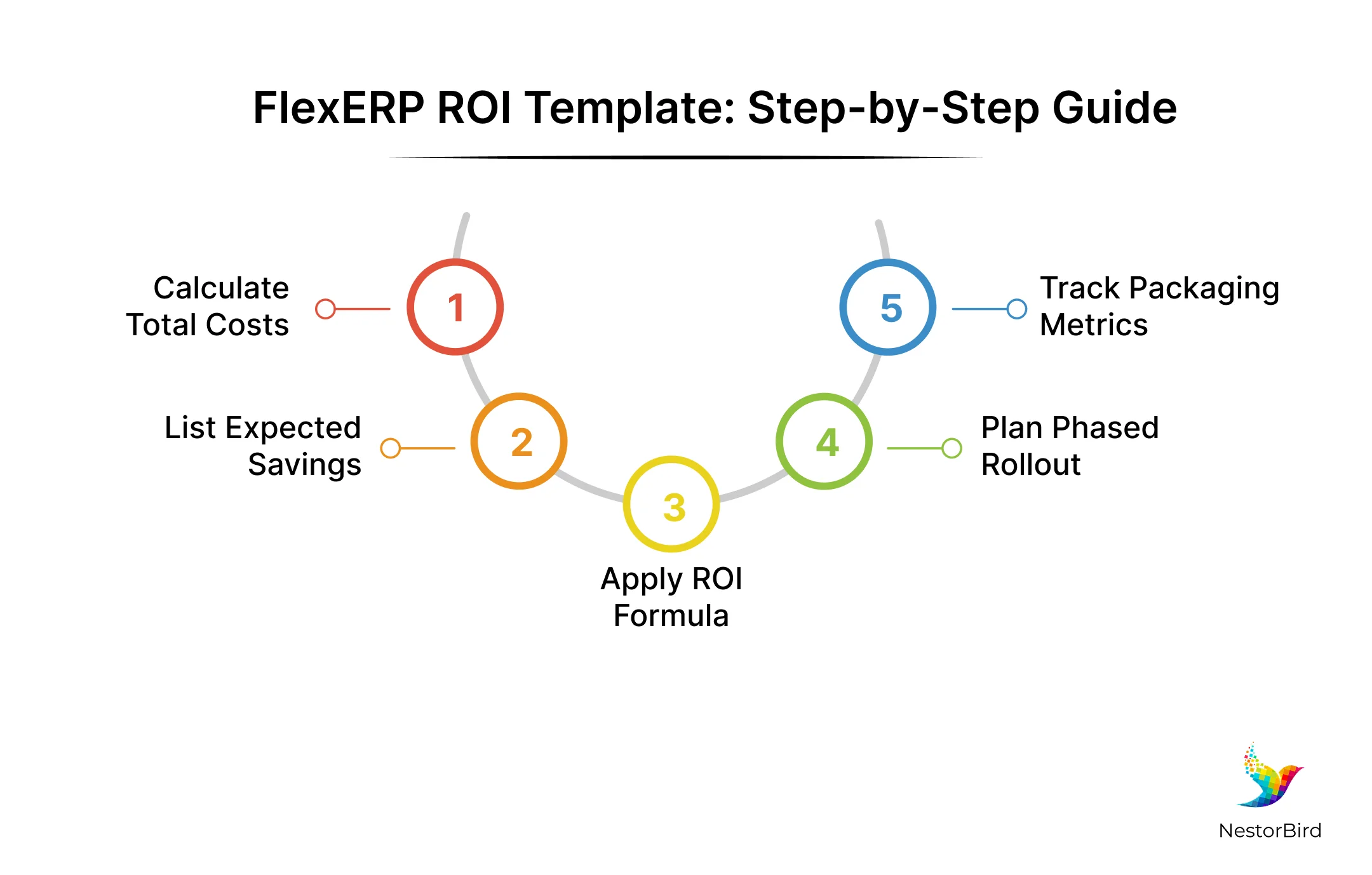
Step 1: Calculate Total Cost of Ownership
List all costs you will incur. Software licensing fees come first. Then add implementation services, training for your staff, and ongoing maintenance. Do not forget internal resource time spent on the project. Use this as the base for your ERP cost benefit analysis. If you are unsure of the numbers, see how much a Manufacturing ERP System Cost can be.
Step 2: Identify and Quantify Benefits
List all savings you expect. These include lower inventory holding costs, reduced labor hours, and less material waste. Add revenue gains from faster order processing. Measure each benefit in dollars per year. This gives you a clear ERP ROI template to work with.
Step 3: Apply ROI Formula
Use the standard formula: (Net Benefits - Total Costs) ÷ Total Costs × 100. This gives your ROI percentage. Also, calculate the payback period, which is the total costs divided by annual net benefits. Run sensitivity analysis with different scenarios. This strengthens your FlexERP ROI numbers.
Step 4: Packaging-Specific Metrics
Your FlexERP ROI for packaging companies must include industry-specific numbers. Track material waste reduction, which can reach 20-25%. Measure production scheduling improvements. Include compliance cost savings from better reporting. These metrics matter most to packaging leaders.
Step 5: Risk Mitigation and Phased Implementation
Reduce risk through phased rollout. Start with one plant or product line first. This gives you real data before full deployment. A phased approach improves ERP implementation ROI by catching issues early. It also spreads costs over time and builds confidence.
Conclusion
Building a solid business case is the first step toward better operations. The ERP ROI template we shared gives you an easy way forward. You can now calculate costs, measure benefits, and present realistic numbers to your team. The FlexERP ROI becomes clear when you track packaging-specific metrics like waste reduction and scheduling gains.
For packaging companies looking for the right fit, solutions from NestorBird are built specifically for your industry needs. Our system addresses the unique challenges of flexible and rigid packaging manufacturing.
Frequently Asked Questions
Most packaging companies see positive returns between 6 to 18 months after going live. This depends on implementation scope and how quickly your team adopts the new system.
The typical payback period ranges from 18 to 30 months for mid-sized packaging operations. Leading companies achieve this faster by focusing on high-impact areas first.
Use this formula: (Net Benefits - Total Costs) divided by Total Costs, multiplied by 100. Include both hard savings like material waste reduction and soft benefits like better decision-making.