
Quick Summary
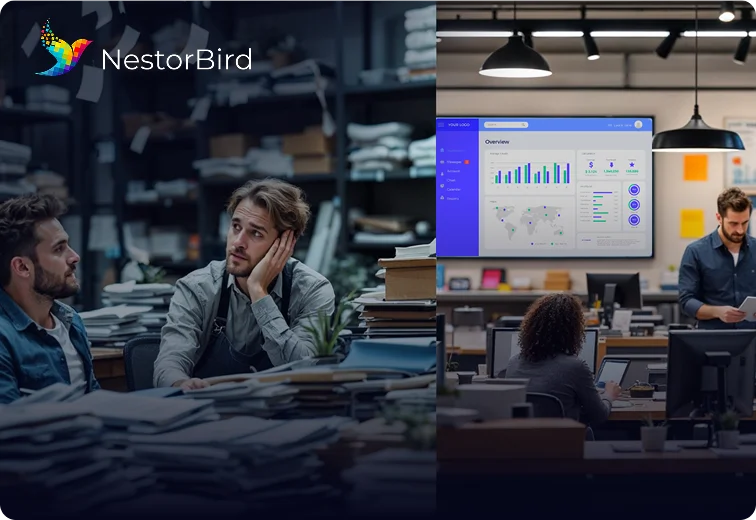
Many hospitals blame their patient portal software for low patient usage. But the software is not the problem. Hospitals fail to activate patients properly. They send one email and stop. This blog explains simple changes like text reminders, in-person help, and personalized messages. These small steps drive real adoption without buying new tools.
Table Of Contents
Introduction
Many hospitals have implemented the right systems as well as the suitable software for their operations. Yet, patient usage remains low. The problem is not the technology itself. Most healthcare providers simply underuse what they already own. They fail to activate the full potential of their patient portal software. In this blog post, we explain why your portal feels empty and how small changes in strategy can drive real adoption. You do not need new tools. You need a better plan to engage patients and make the digital experience useful for both clinical and administrative workflows.
Key Takeaways
Patients do not use portals because hospitals do not teach them how.
One sign-up email is never enough to drive real adoption.
Meet patients on text messages, not just inside the portal.
Staff must help patients log in during their first visit.
A good patient portal software works only when you use it fully.
The Great Misunderstanding: Awareness vs. Activation
It is common that in hospitals, leaders think sending one welcome email is enough. That is wrong. Many patients do not even know a portal exists for them. Research shows 27 out of 100 non-users have no clue about their portal or how to open it. This is not a software failure. It is a hospital failure to explain things clearly.
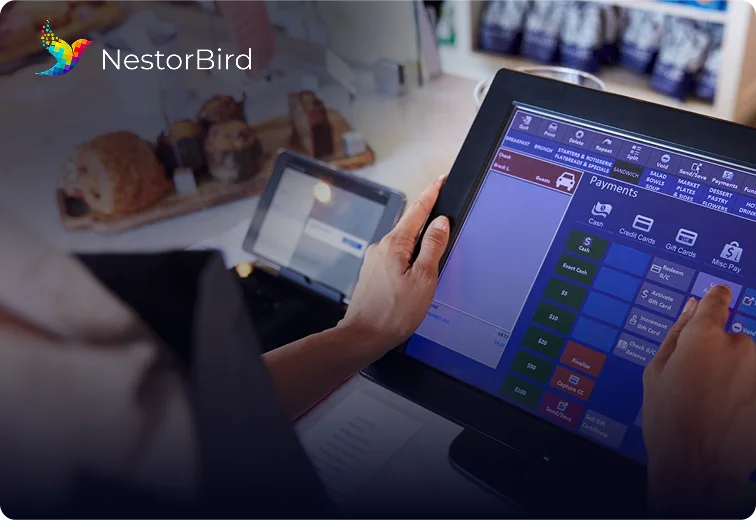
Moving from passive invites to active enrollment fixes this. Use a patient engagement software to send text reminders. Also use tablet sign-ups in person. This works better. A good hospital patient portal needs this push. Without it, patients stay away.
NestorBird Pro tip: Do not rely on one email. Send three reminders using different channels — text, phone call, and in-person sign-up during the patient’s next visit.
Strategy 1: Avoid the Portal-Centric Workflow
It is best to stop forcing patients to log in. Many hospitals still build every step around the portal. That does not work. Patients live on text messages, email, and voice calls. Meet them there. Use automatic outreach through these channels. This fills care gaps faster than waiting for a portal visit.
Keep the patient portal software as the main storage for all health records. But use a patient communication platform to send and receive messages. This separation makes things easy for patients. They do not need to remember another password. You just deliver what they need directly to their phone.
Get the Best HMS Software for Multi-Specialty Hospitals.
Strategy 2: Make the Digital Experience Feel Friendly
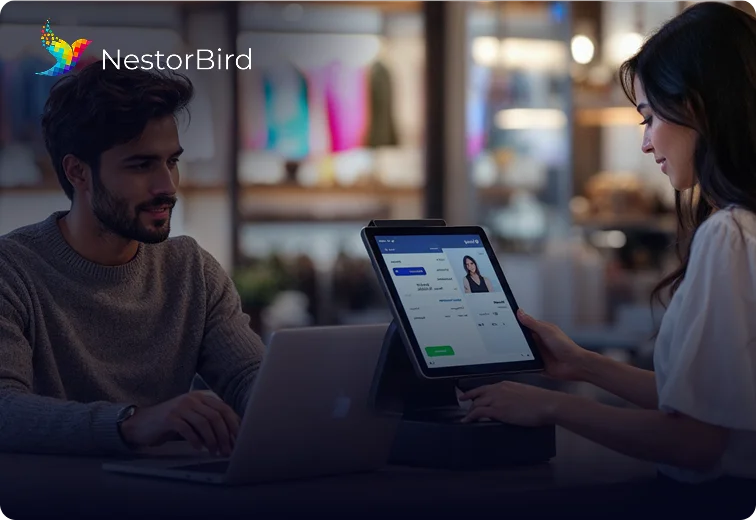
Now you can turn a cold digital process into a helpful one. Ask your staff to guide patients during the first login. A short five-minute help at the front desk removes fear. Many patients worry about data safety.
In fact, 17% of non-users avoid portals because of privacy fears, so be clear about your security steps. Share how you protect their information. This builds trust. When you focus on the hospital digital patient experience, patients feel welcome. They return and use the system more. The best patient portal software works only when patients trust and understand how to use it safely.
Strategy 3: Engage & Personalize the Experience
When the patient portal shows the same information to everyone, people lose interest. Patients stop logging in because the content feels boring and not useful for their personal health. You can fix this with small changes.
Send gentle reminders to refill a prescription or book a mammogram. These small nudges work better than leaving patients on their own. The best patient portal software can show different content for different patients based on their age, health condition, or past visits. This keeps the experience fresh. A strong healthcare patient portal solution uses personalization to drive preventive care, not just show old lab results.
Learn more about Swanity healthcare ERP system.
Reduce Missed Appointments — The ROI of Active Use
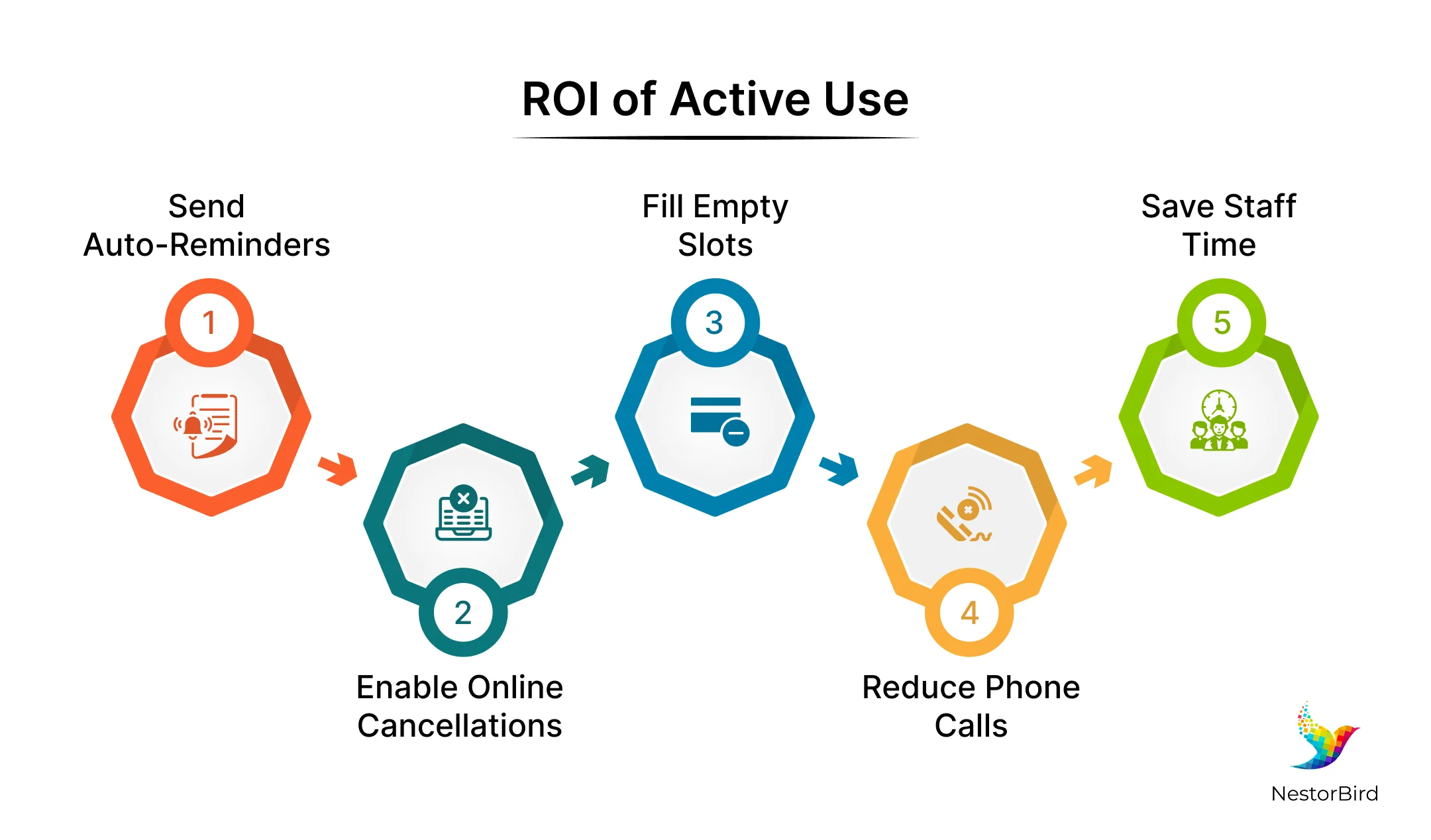
When hospitals do not use their portal fully, they lose money. Every missed appointment and every manual phone call costs real dollars. Let us look at three simple ways active portal use improves your finances.
Save Staff Time
Your front desk and clinical staff spend hours on the phone. They confirm appointments, answer basic questions, and chase patients for paperwork. Digital intake through patient portal software reduces this work. Studies show it saves 8 to 12 minutes per patient. Multiply that by your daily patient volume, and the time savings are huge.
Reduce Missed Appointments
No-shows hurt revenue and waste slots that other patients need. Automated reminders sent through the portal cut no-show rates significantly. Patients can cancel or reschedule directly, so you fill those empty slots faster.
This is how Frappe ERPNext is transforming healthcare industry.
Stop Losing Revenue
Underusing your patient engagement software leaves money on the table. Collections become harder when patients do not see their bills online. Operational efficiency drops when staff chase paper. Active portal use fixes these problems. The time you invest in better activation pays back directly through lower costs and fewer missed visits.
Conclusion
The problem is not your portal, but is how you use it. Most hospitals already have the right tools but fail to activate patients properly. When you do these small things, adoption grows and revenue improves. A good best HMS software in India should make these tasks easy, not hard. Solutions built for simple workflows and clear communication remove the barriers that keep patients away. Choose a partner that understands real hospital workflows, not just software features, like Swanity that is efficient and affordable.
Frequently Asked Questions
Most patients do not know the portal exists or how to log in. One-time sign-up emails are not enough. You need active onboarding.
Use text messages and in-person tablet sign-ups during visits. A good patient engagement software sends invites automatically and tracks who joined.
It is mainly a hospital problem. The patient portal software works fine. Hospitals fail to train staff and patients on how to use it properly.
Send automatic appointment reminders through text or email. Patients can cancel or reschedule directly, which cuts no-shows significantly.
Many older patients struggle with portals, so here you can offer phone support and in-person help. A healthcare patient portal solution must work for all ages.