
Quick Summary
Benefits of ERP in healthcare help hospitals manage patients, staff, and money better. These systems join records, billing, supplies, and schedules into one place. They cut errors, save time, lower costs, and make care faster. Staff work together easily while patients get simple online tools.
Table Of Contents
Introduction
In the healthcare industry, managing different elements, operations, patients, doctors, and staff is a big challenge. ERP healthcare systems bring all these parts together into one simple platform. They handle patient records, supplies, billing, and schedules with ease. This cuts down errors, saves time, and lowers costs. In this blog post, we cover the top nine benefits of ERP in healthcare that solve real problems like data confusion and staff overload. ERP healthcare solutions help hospitals run smoothly and focus more on patient care.
Key Takeaways
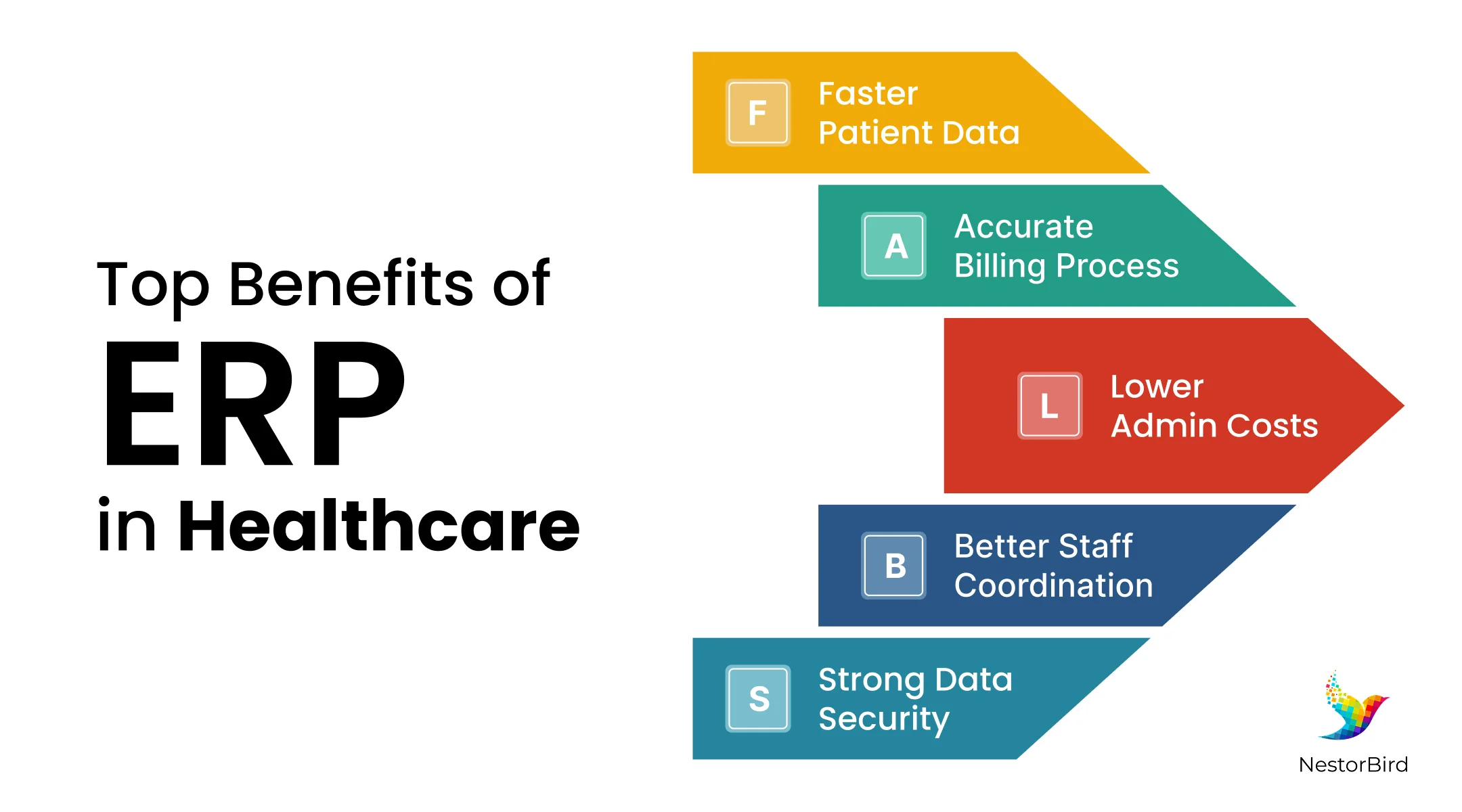
Benefits of ERP in healthcare cut errors and save time daily.
ERP healthcare joins patient data, billing, and supplies in one system.
Hospitals lower costs by 15-20% with automated tasks.
Staff schedules and team work improve for better coverage.
Patients book visits online and get reminders easily.
1. Streamlined Patient Data Access
For this industry it is important that doctors and staff get patient information fast. ERP healthcare puts all electronic medical records in one place. This lets everyone access details right away, even in emergencies. No more waiting for old files from other departments.
Doctors skip repeat tests, which saves money and helps make better choices quickly. ERP in hospital setups make this simple and safe with one-click search. Staff and patients stop feeling upset from lost or split records, and care gets faster and smoother every day.
Choose from these Healthcare ERP Software in 2025.
2. Automated Billing and Revenue Cycle
By making various operations and actions such as billing, insurance claims, and payments work together, ERP healthcare systems fix mistakes and slow processes. This stops claims from getting rejected. Hospitals see money details in real time, which helps plan cash flow better. They get back more money from services.
These benefits of ERP in healthcare industry include ending slow paper invoicing that causes money problems. With costs going up, this keeps finances steady. Staff spend less time on paperwork and more on patients. Everything runs smoother and faster.
3. Important Regulatory Compliance and Security
This is one of the most important and required parts of running a hospital or clinic. What is ERP in healthcare? It is a system that follows rules like HIPAA and handles checks, patient permissions, and data protection automatically. This keeps everything up to date with new laws.
ERP healthcare solutions cut down fines from data problems by keeping all records in one safe spot for easy reports. Old separate systems cause security risks, but this fixes them. Hospitals stay safe and avoid big penalties, so that the staff can focus on care instead of worrying about rules.
Check our this FDA Validated ERP Solution for Pharmaceutical.
4. Getting Real-Time Analytics for Decisions
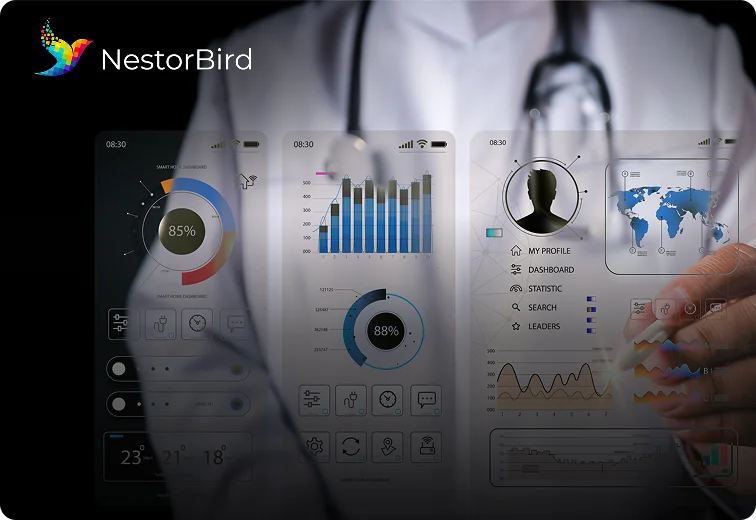
Hospitals need quick facts to make good choices about patients and beds. ERP healthcare shows clear screens with info on how many patients move through, which beds are free, and care results. This stops guessing and uses real numbers. It even predicts busy times ahead, like flu seasons, to cut wait times and repeat visits.
The ERP system in healthcare helps spot problems early and plan better. Staff act fast with trusted data every day. This makes care safer and uses resources more efficiently, so that there are no more slow reports or wrong plans.
5. Higher Cost Reduction and Efficiency Gains
When you use the right and best suitable ERP health, you can see costs go down fast. Automation handles routine jobs, so money spent on daily operations drops. Hospitals get back their investment in just 1-2 years from less admin work. ERP healthcare systems stop all paper forms and slow tasks.
Your staff now spends more time with patients instead of desk work. This cuts labor costs by 15-20%. Budget problems from old ways end. Everything works better with less waste, plus care improves while saving real money every month.
This is How Modern ERP Revolutionize the Pharma Industry.
6. Seamless Inter-Department Coordination
Your staff across various departments and areas work better together with ERP healthcare solutions. Labs, pharmacy, and admin share info without delays or separate systems. Tasks like patient check-in to check-out happen automatically.
So now, ther are no more repeat work that slows down care. Communication problems between teams end, so treatments start faster. These benefits of ERP in healthcare make hospitals with many specialties run as one unit. Staff fix issues quick and keep patients moving smoothly. This cuts wait times and mistakes from poor handoffs, and everyone sees the same updates in real time.
These are the Reasons Why Pharmaceutical is Moving to the Cloud.
7. Provide Improved Patient Engagement
At the end, it is important goal to provide the best care and keep patients happy. ERP healthcare gives patients online portals to book visits, check test results, and join video calls. This makes things easy for them. Personal messages remind them of appointments, so fewer miss visits.
ERP in hospital helps reach people in far areas with less travel. Patients feel more connected and trust the hospital more. They come back often, even with other choices around. This builds strong links and better health results for everyone.
Conclusion
ERP healthcare systems fix many problems in hospitals and clinics. They bring all work together so staff save time and money. Patients get faster care with less mistakes. From quick data access to better billing and teamwork, benefits of ERP in healthcare industry make everything run smoothly. Choose ERP healthcare solutions from NestorBird for easy setup and strong support that fits your needs. They help small and big hospitals grow without hassle.

Frequently Asked Questions
Main benefits include quick patient data access, better billing, cost savings, and team coordination. ERP cuts errors and saves time while improving patient care in busy hospitals.
Yes, ERP uses tools to plan shifts based on skills and patient needs. It cuts overtime and burnout so staff get fair hours and full coverage.
ERP follows rules like HIPAA with encryption and access controls. It keeps patient info safe and ready for audits to avoid fines and breaches.
They identify potential problems early and offer solutions to avoid or manage risks effectively, improving business stability.
Consultants analyze customer data and market trends, helping businesses find new buyers and improve sales tactics for better revenue.